-
High up
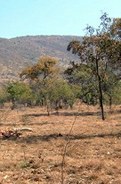
Zambia’s tropical climate is tempered by high altitudes across many parts of the country. But in the lower valleys, the heat can be oppressive.
-
School
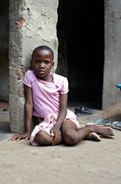
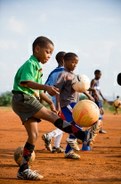
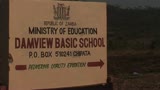
Damview Basic school in Zambia had no plumbing and no electricity. Children drew water from a well. But things are getting better...
-
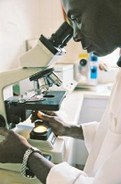
One of the worst-affected countries
Around one in eight Zambians lives with HIV/AIDS and the disease kills around 50,000 people each year. It has left around 700,000 children without one or both parents.
-
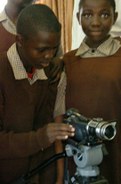
'Our Story'
The children at the SOS Children’s Village in Lusaka soon picked up the skills needed to write, direct and edit a video, following a filming lesson with professional cameramen. Watch the film they created.
-
Sing and pray together
Religion is very important to Zambians. Find out what Sunday school is like at the SOS village and watch Theresa interview her Sunday school leaders.
-
Ever-increasing number of patients
See the work of the medical centre at SOS Children’s Village, Lusaka. Meet Kalombe Natasha, a family strengthening programme social worker, with a caseload of 68 desperately-in-need families in the nearby community.
-
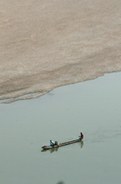
Famous beauty
The Zambezi River is a key attraction for visitors to Zambia, offering river-boarding and white water rafting. However, the river’s best-known feature is Victoria Falls, located roughly midway along the Zambezi at the border between Zambia and Zimbabwe.
-
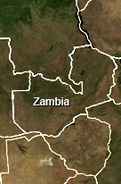
Explore Zambia
Find out about some key places in Zambia, such as Victoria Falls, one of the seven natural wonders of the world.
-
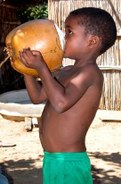
A traditional way of life
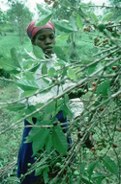
Daily life in many communities revolves around agriculture, livestock and fishing. While men often head for the towns and cities to find work, women carry out subsistence farming.
-
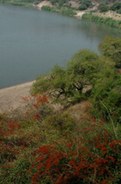
A lot of birds
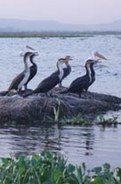
Zambia is home to a huge range of birds; 750 different species are within its borders. All the classic savannah animals – lions, leopards, cheetahs, elephants and buffalo – can also be found across the national parks.
-
Strength to face the future
The junior choir perform ‘Many hands, many voices’ for the rest of the school. Watch their performance and hear what their teacher has to say about music.
-
Facts & Figures
For a large country (double the size of neighbouring Zimbabwe), Zambia’s population of 13.2 million is relatively small (though not as tiny as Namibia's 2.3 million). Discover more facts and figures and compare them with those of other countries.
-
New beginnings
Theresa meets her grandmother for the first time in at least five years. She finds out how her grandmother is surviving, looking after ten grandchildren in rural Zambia, and what her hopes are for the future.
-
Hello, my name is Theresa. Welcome to Zambia
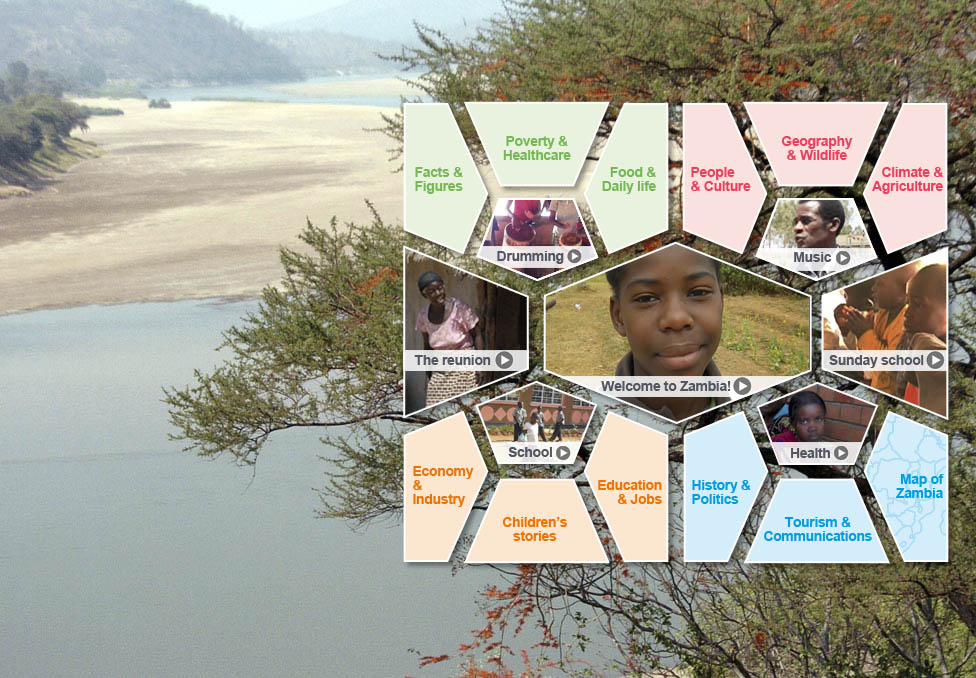
I live in Lusaka, the capital of Zambia, which lies roughly in the centre of the country. The 'Copperbelt' province is north of here – copper is Zambia's main export. To the south, you'll find one of the largest wildlife parks in Africa and also the famous Victoria Falls. Find out more about life in Zambia by clicking on the topics or videos across this page.
-
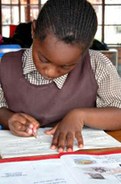
Compulsory education
Since Zambia’s independence, the country has invested heavily in schools and three-quarters of young people (aged 15–24) are literate.
-
Precious materials
Zambia is one of the top ten producers of copper and its economy is reliant on copper exports. It is also a major source of precious stones, including emeralds, aquamarines, amethyst and tourmalines.
-
The sound of the drum
Zambians love to dance. Theresa films some traditional dancing in her village, which is accompanied by drums.
-
Languages galore!
More than 72 local languages and dialects are spoken across Zambia. Bemba is the most widely-spoken language (apart from English) and is used by more than two million Zambians in Lusaka and across the Copperbelt.
-
An independent country
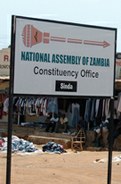
After independence in 1964, Zambia was ruled as a one-party state for 27 years. The first multi-party elections were held in 1991.