-
Standard of living varies by region
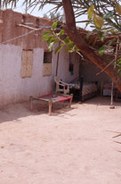
In the most developed regions of Sudan, rates of poverty and malnutrition are low and over half the population have water and sanitation facilities. But in some states, many households have poor nutrition and no running water or toilets.
-
'The Fisherman' and 'Be careful when the rain comes'
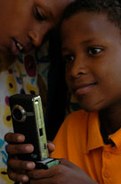
Watch the films created by the children at the SOS Children’s Village in Khartoum. They were given the opportunity to take part in a film-making workshop to learn the skills they needed.
-
Sudan divided
How do the young people of Sudan feel now their country has been divided? What does it mean for their friendships with people in the south? They give their opinions.
-
Nile waters
While areas to the south receive more rainfall, much of Sudan is dry and arid. The Nile therefore provides a vital source of water for the towns and agricultural regions along its banks.
-
An economy dependent on oil
Though agricultural produce and gum arabic are important exports for Sudan, the country’s economy is dependent on oil.
-
Khartoum is a university city
Khartoum is a seat of learning and the city has many colleges of higher education. However, on leaving school many boys look for work in order to support their families.
-
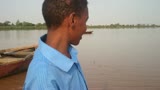
Hello and welcome to Sudan. My name is Mojtaba.
In July 2011, Sudan separated into two countries - Sudan and South Sudan. I live in Sudan, on the outskirts of the capital Khartoum. You can find out more about where I live and the history of this great city from the videos I've been making. You can also find out what young people think about the recent separation of Sudan.
-
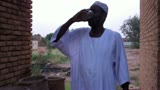
A considerate practice
Part of the Sudanese culture is to offer water to passers-by from pots which are left outside houses. It's called Sabeel.
-
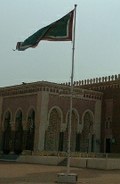
Facts about Sudan
An estimated 30 million people live in Sudan, though population figures have yet to settle as some people relocate to South Sudan.
-
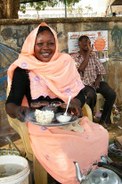
Life in Khartoum
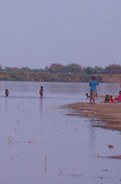
The Nile waters flow through Khartoum and the city’s dwellers take respite from the hot, dusty streets along the river’s banks. Here, many refugees to the capital earn money by offering drinks to passers-by.
-
Mostly flat
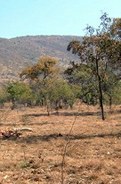
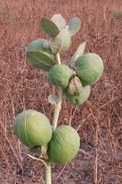
Though much of Sudan is flat, three highland areas rise up to the east, south and west.
-
Prayer time with Mojtaba
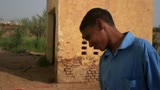
Praying five times a day, every day, no matter what you're doing or where you are, is part of daily life for many Sudanese people. Mojtaba shows how it's done.
-
A girl's life
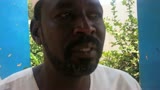
Girls living in Sudan are expected to act and dress in a certain way, according to Sudanese culture and the Muslim faith.
-
A mainly Muslim country
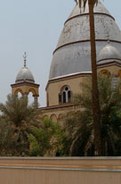
The main influence on the country today came with the arrival of the early Arab traders and the Islamic conversion of dominant groups from the 1500s. Conflict has been caused by the strong influence of the Muslim government of Khartoum over minority peoples in outlying regions.
-
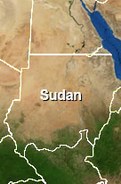
Explore Sudan
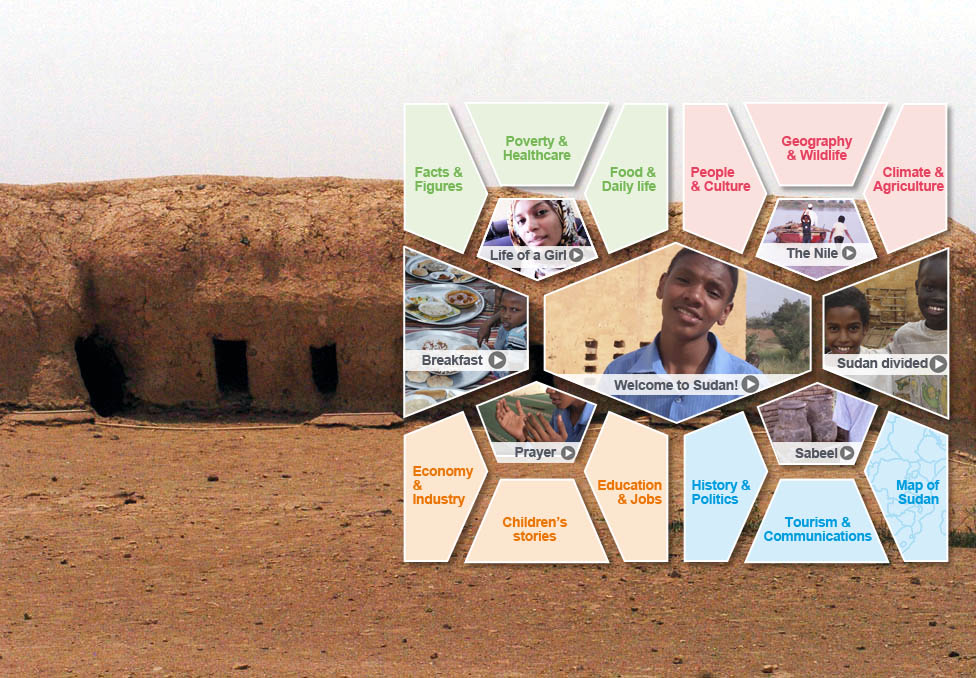
Have a look at some of the regions, features and places of interest in Sudan.
-
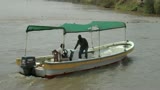
Life of the Sudanese people
In Sudan, the Blue Nile and the White Nile meet at Khartoum. Mojtaba points out where the rivers join. You can see quite clearly where the two different colours of the waters run side by side.
-
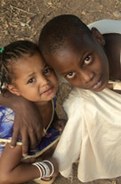
Arab or African?
Though many Sudanese are of mixed Arab and African ancestry, Arabic-speaking people tend to view themselves as Arabs first and foremost.
-
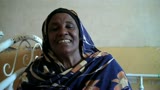
Breakfast discussions
Every Saturday the children at the SOS Village in Khartoum enjoy a big breakfast and sit together to talk about what's been happening in their lives.
-
Seeing the ancient sites
The power and majesty of the ancient Egyptian/Nubian kingdoms can still be felt at historical sites along the Nile valley north of Khartoum.