-
Explore Niger
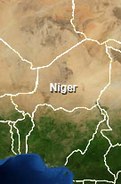
Click on the map points in Niger to find out more about some of its key cities and geographical features.
-
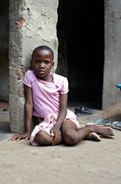
Low rates of literacy
With one of the lowest literacy rates in West Africa, the government of Niger is keen to improve education and encourage more families to send their children to school.
-
A growing population
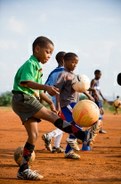
In five decades, the population of Niger has grown from 2 million to over 15 million. The high growth rate is reflected in the large numbers of young people – over half of Nigeriens are under 18 years of age.
-
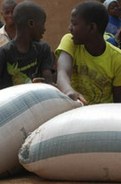
The blight of hunger
The lack of adequate food in Niger means that many children are malnourished and one in six will not live to see their fifth birthday.
-
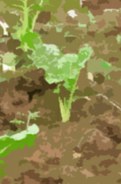
A Sahel land
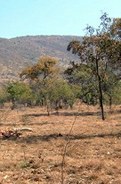
Two-thirds of Niger falls within the ‘Sahel’ region, a dry band of semi-desert land which lies below the Sahara; agriculture is therefore limited to the southern third of the country.
-
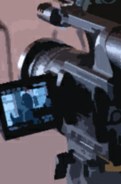
Filming workshops
SOS Children's Villages have been running filming workshops to show children how to make their own films. This country has yet to be visited, but take a look at some videos made by children in nearby countries.
-
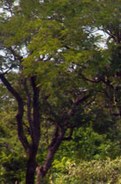
Keeping native trees
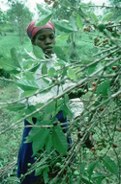
When native trees are grown alongside crops, farmers in Niger have found harvests improve and the country is one of the success stories for reforestation.
-
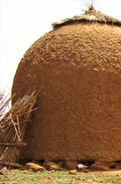
Store houses
Once the short growing season is over, grain is stored away to last families until the next harvest and purpose-built granaries are a feature of most villages.
-
Niger’s people
Visitors come to Niger to experience the stunning desert landscapes and explore the region’s history and Islamic culture. They also venture here to find out more about Niger’s unique peoples and traditional ways of life.
-
A dry land
Much of Niger is made up of desert or semi-desert regions, therefore natural oases and underground water sources, as well as the River Niger in the southwest, provide a vital lifeline.
-
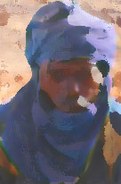
Homeland
Tuareg people live mainly across areas of Algeria, Libya, Mali and Niger. After long suppression of their Berber language and culture in parts of North Africa, Tuaregs are enjoying more freedom and in some areas would like their own independent state.
-
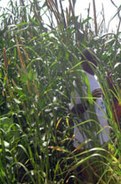
Growing economy
Thanks to deposits of oil and uranium, Niger’s revenues are growing, but agriculture is still the mainstay of the domestic economy, though the sector remains fragile.
-
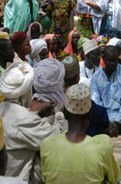
Ancient cultures and traditions
Many of Niger’s peoples, including the nomadic groups of the northern regions, are trying to hold onto their traditional culture and way of living in the face of an increasingly harsh climate.
-
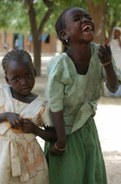
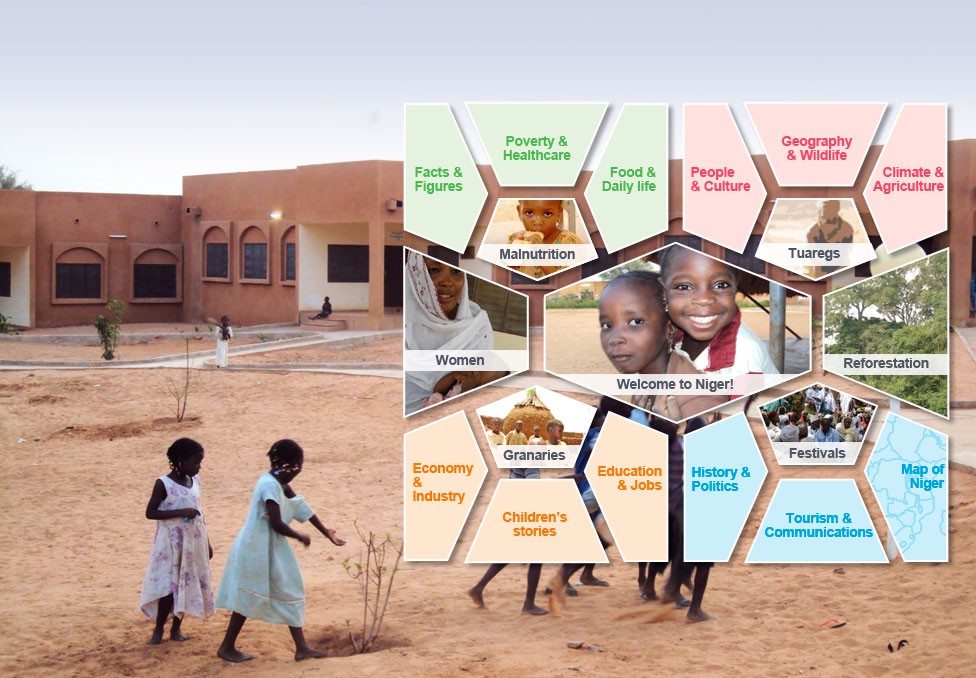
To find out more about Niger, click on some of the tiles and topics which explore what life is like in this vast land and some of the issues facing its people. We haven't had the chance to conduct a children's filming workshop, so there aren't any videos yet. But there's lots of information for learning more about the country.
-
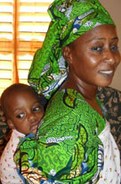
A heavy burden of work
With men frequently away, women in Niger often find that looking after crops, home and family rests entirely on their shoulders.
-
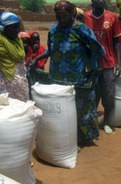
Food is key
In Niger, the preoccupation of many families is to produce enough food to last the year, since life becomes especially hard in the dry season.
-
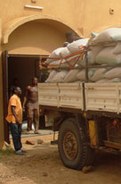
Avoiding food crises
With greater support for farming communities in Niger, the government and international agencies are hoping to avoid food emergencies in the future.
-
Celebrations
Cultural and religious celebrations are important markers in the annual calendar, held around the major Islamic festivals or during times of seasonal importance.
-
Seeking stability
Since independence in 1960, a series of military coups and takeovers resulted in successive republics, but a new constitution in 2010 and elections in 2011 are bringing new political stability.