-
Explore Madagascar
Madagascar is most famous for its lemurs. You will have seen these cute, cuddly creatures in the animated movie, but did you know there are over 100 species and subspecies of them?
This map shows you some of Madagascar's key locations, including the capital city, Antananarivo. You can also see the Rainforests of the Atsinanana situated along the island's east coast, as well as other national parks.
-

Joining the club
Ceremonies form a big part of Malagasy culture. Many, including the circumcision ceremony, take place in the early years of life and symbolise a child's passage into Malagasy society.
-
An island of parts
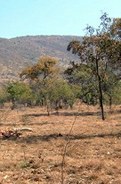
Madagascar lies almost entirely within the tropics (except for the southern tip below the Tropic of Capricorn), but because of its various terrains, different parts of the island experience very different weather at the same time.
-
A distinctive culture
The Malagasy people have a rich and distinctive culture, which incorporates a belief in the importance and power of dead ancestors.
-
A stagnant economy
Madagascar’s economy has seen little growth over the last few years due to political instability, but it is hoped fresh elections will bring new investor confidence.
-
A poor nation
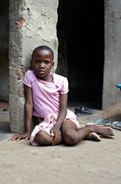
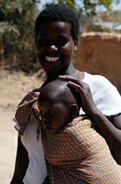
Poverty is widespread across Madagascar, affecting the health of the country’s children; over half of under-fives suffer from stunted growth, one of the highest rates of stunting in the world.
-
A unique island
The best way to appreciate the diversity of Madagascar’s unique environments is to travel around the island, though journeys can often be long and eventful.
-
A rice nation
Rice is the staple food of Madagascar and many meals are based around a heap of the fluffy stuff.
-
Sports Day
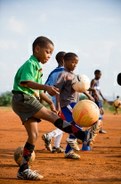
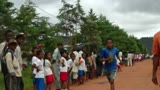
Children in Madagascar look forward to their sports day, which happens on the second day of school for the children in the video.
-
A large island
Madagascar is the world’s fourth largest island (after Greenland, Papua New Guinea and Borneo). At 587 thousand square kilometres, it is around the same size as Kenya (582 thousand sq km), but has a population half as large, at 22 million (compared with Kenya’s 43 million in 2012).
-
This page isn't ready yet. Please come back another time!
-
A rural way of life
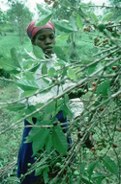
The majority of Malagasy live in rural areas and rely on fishing or subsistence farming, where they grow food for their own families.
-
Weird and wonderful
Thanks to its geographic isolation over millions of years, many of Madagascar’s animals are wonderfully unique.
-
A paradise lost?
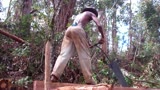
Madagascar's forests once covered the majority of the island. Today, only 10% of their original coverage remains. Is there hope for the future?
-
Poor primary results
Less than two-thirds of children in Madagascar pass their end-of-primary school exam, due to poor-quality teaching and the high number of pupils who drop out because their families can no longer afford their education.
-
A Noah’s Ark of an island
Madagascar is the world’s fourth largest island, breaking free of any other land around 65 million years ago. Having evolved in isolation for millions of years, its plants and animals are unique, and include the island’s best-known mammals, the lemurs.
-
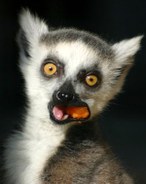
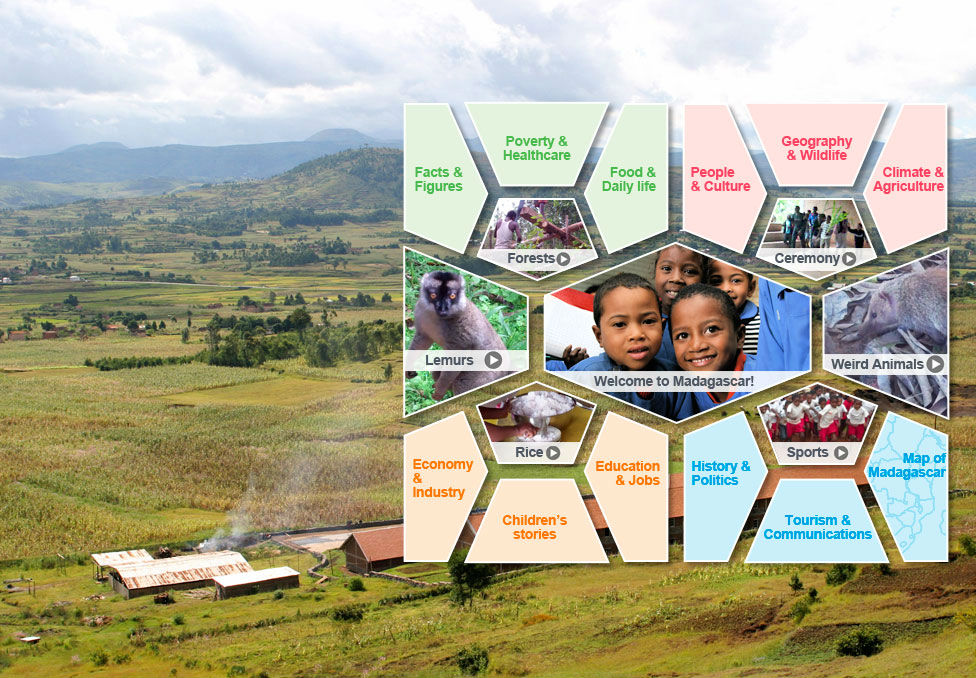
Madagascar is perhaps most famous for its lemurs. But while these kooky little creatures make the world's fourth-largest island a very special place, there's more to Madagascar than just its lemurs.
Here, you can discover some key facts about Madagascar, learn more about its history, and find out how it got its name!
-
Finding its political feet
For many centuries, Asian, Arab and African settlers shaped a unique community, until Madagascar was colonised by the French at the end of the 19th century. In modern times, the island has struggled to find political stability.
-
Islands apart
You've probably met the best-loved of all Madagascar's animals in the movie, but did you know that they can't be found anywhere else in the world?