-

Filming workshops
SOS Children's Villages have been running filming workshops to show children how to make their own films. This country has yet to be visited, but take a look at some videos made by children in nearby countries.
-
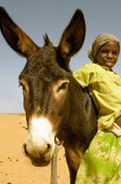
Pastoralism
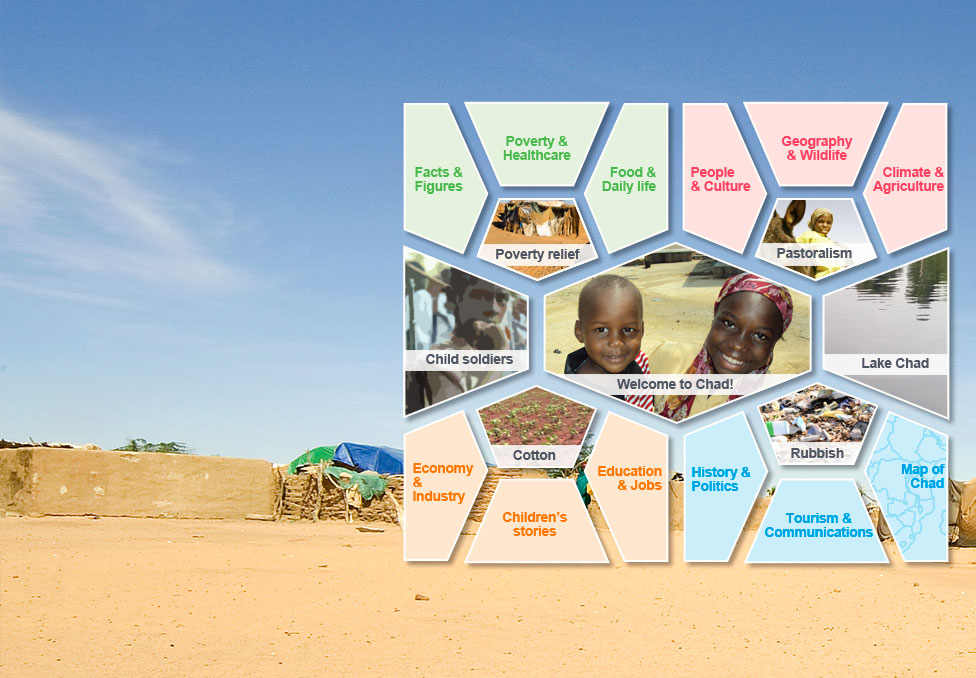
Many farmers in Chad rely on livestock – cattle, sheep, goats and camels – and some pastoralists wander far and wide to graze their animals.
-
Nascent tourism industry
The tourist industry in Chad is only just beginning to grow and is mainly based around attracting visitors to the Zakouma National Park.
-
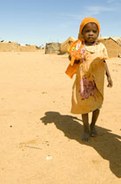
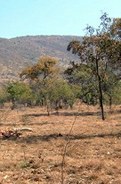
A changing landscape
Dominated by desert and arid areas, Chad is sometimes known as the ‘Dead Heart of Africa’. Drier weather conditions and the loss of trees have led to desertification, though environmental programmes are hoping to halt the expansion of desert areas.
-
Instability and conflict
Created as one large state by the French in 1900, Chad has struggled to build a cohesive nation since independence. In recent times, the country has suffered from the presence of many armed groups and a lack of political stability.
-
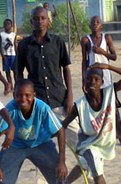
If you'd like to find out more about Chad, click on the topic tiles and features. These give an overview about the country and its people.
We haven't had the chance to conduct a children's filming workshop here, so there aren't any videos. But you'll still find lots of information.
-
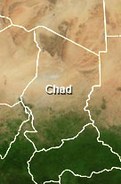
Explore Chad
Explore the map of Chad to find out more about some of the country's geographical features and cities.
-
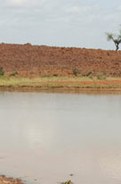
Disappearing lake
Lake Chad is only a tenth of the size it was fifty years ago and remains at risk from overuse and drier weather patterns.
-
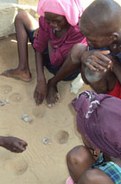
In the top five by size
At 1.28 million square kilometres, Chad is the fifth largest country on the continent. With high population growth in recent decades, over half its population are under eighteen.
-
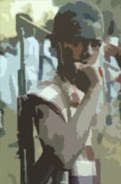
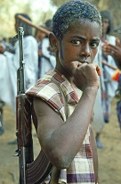
Child soldiers
With widespread poverty and few educational opportunities, many children are lured into joining armed groups.
-
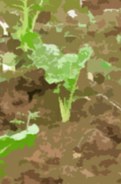
Changing weather
Farmers in Chad rely on annual rainfall for their crops and livestock rearing, but a changing climate means the rainy seasons are becoming less reliable.
-
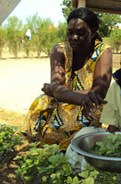
Traditional lifestyles
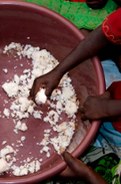
Many Chadians lead a traditional farming lifestyle, either grazing livestock or in the south, growing food on smallholdings to feed their families.
-
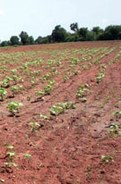
A cotton exporter
Cotton is a key export for Chad, but the industry needs further investment.
-
Large and complex
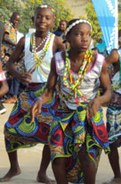
A large and complex state, with over 200 different ethnic groups, Chad’s peoples in the north, east and centre often lead nomadic or semi-nomadic lifestyles, while groups in the more fertile south tend to be settled.
-
A poor country
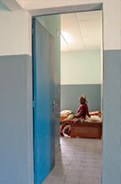
Chad is one of the poorest countries in the world. With high rates of poverty and malnutrition, life expectancy is just 48 years. One in five children die before their fifth birthday.
-

Oil wealth
Chad’s economy has been growing in recent years thanks to a period of stability and investment in the oil sector. But wealth from the oil industry has yet to benefit society as a whole.
-
Poor school attendance
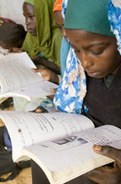
Though primary school education is compulsory, many children fail to attend school in Chad due to poverty and cultural reasons. Literacy rates are therefore low, with only 46% of young people aged 15-24 able to read and write.
-
Relieving poverty
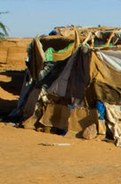
Oil revenues earn Chad hundreds of millions of dollars each year, but not enough of the country’s wealth finds its way to the population.
-
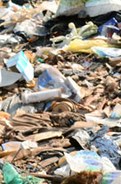
Rubbish
Discarded rubbish is a common sight, but the capital of Chad is beginning to tackle this unsightly and unhygienic problem by banning the use of plastic bags.