-

Filming workshops
SOS Children's Villages have been running filming workshops to show children how to make their own films. This country has yet to be visited, but take a look at some videos made by children in nearby countries.
-
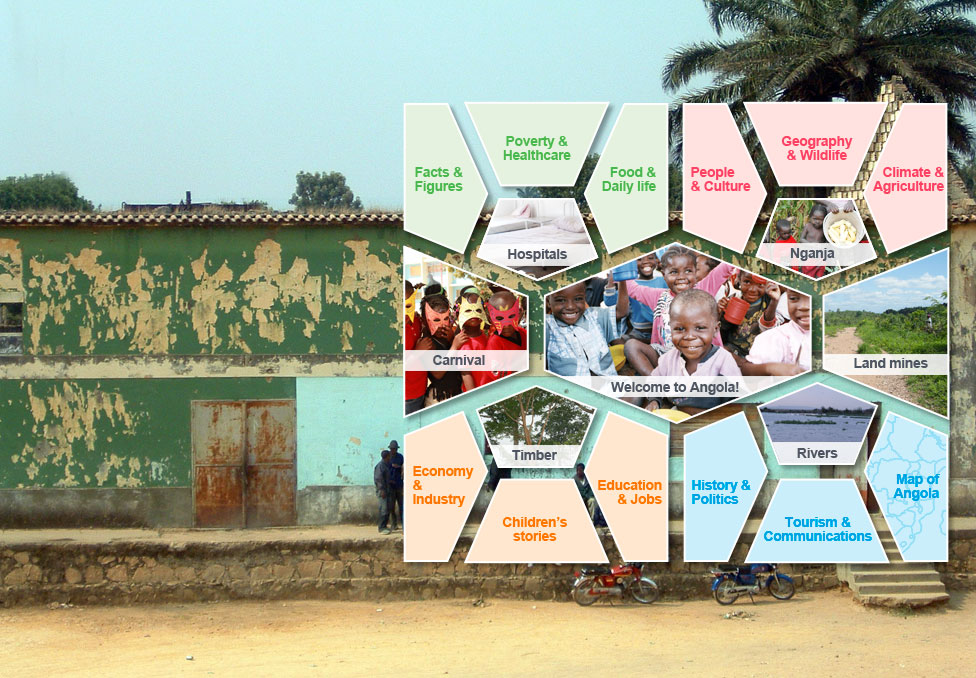
To find out about Angola, click on the topic tiles and features, including those on the country's main celebrations – carnival and the Nganja harvest festival. We haven't had chance to conduct a children's filming workshop, so there aren't any videos yet. But there's lots of information for learning more about Angola.
-
Explore Angola
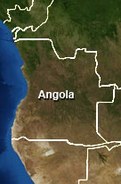
Explore the map of Angola and discover more about some of the key places and features of interest.
-
A harvest festival
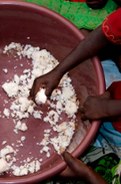
Angolan children celebrate harvest in April (Autumn time in Angola) when they roast corn on the cob over fires.
-
Cultural blend
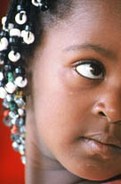
Angola’s culture today – in music, architecture, art, literature and sport - draws from African, Portuguese and Brazilian influences.
-

Black gold
Since the war ended in 2002, Angola has enjoyed an economic boom based on the wealth it receives from its massive oil reserves.
-

A turning tide
At one time, educated Angolans fled insecurity at home and sought work in Portugal; today, the tide flows in the other direction, as the oil wealth in Angola attracts many skilled Portuguese to their former African colony.
-
Tackling child mortality
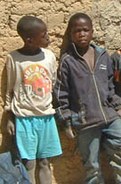
After long years of war, Angola’s healthcare system is being rebuilt, but there are many challenges to face, such as reducing high rates of infant mortality which are partly due to sickle cell disease.
-
A large country
Like its neighbour Namibia, Angola is a large country (1.25 million square km, compared to Namibia’s 0.8 million square km). But unlike Namibia, where the majority of the population lives in the countryside, 58% of Angola’s people reside in urban areas. Many moved as refugees during the civil war; a quarter of the population now lives in Luanda.
-
Draining down
Much of Angola is taken up by high plateau land, which is drained by many rivers. These flow to the Atlantic or into neighbouring countries, where some join with other key rivers.
-
The Brazilian influence
Each year a huge carnival takes place in Luanda and it’s the largest street party in the Angolan calendar.
-
High-rises and slums
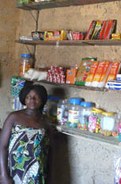
As with many cities in the developing world, modern high rises and office buildings tower over large slum areas in Angola’s capital, which is home to both the very rich and the very poor.
-
Bird enclaves
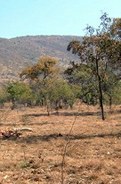
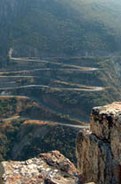
Angola is dominated by savannah grasslands, but areas of montane/mountain forests and rainforest remain in the north, which provide habitats for a number of rare and endangered birds.
-
Timber wealth
As in the rest of Angola, offshore oil earns the greatest revenue for the northerly province of Cabinda, but timber is the second most important earner.
-
Rising from the ashes
Following centuries of foreign exploitation and a fight for independence, Angola descended into civil war in 1975. With peace finally declared in 2002, the country is now rebuilding itself.
-
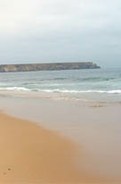
Culture, leisure and wildlife
With its old colonial architecture, beach attractions and wildlife, Angola has much to offer visitors who have begun returning to the country.
-
Empty beds
In Angola, many new hospitals have been constructed, but beds lie empty. One reason is that there aren’t enough trained professionals to staff the hospitals.
-
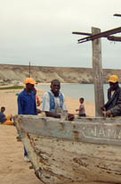
Fish-rich
The Cold Benquela current off Angola’s coast brings nutrient-rich waters ideal for marine life and fishing is an important activity.
-
The legacy of war
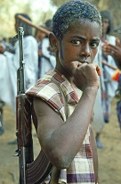
Four decades of fighting in Angola left an estimated 10 million land mines buried across the country and these highly dangerous devices continue to kill and maim people every year.