-
'Success in Distress' and 'SOS is always there'
Some of the children at the SOS Children's Village south of Algiers took part in a film-making workshop. Watch the films they created.
-
North and south
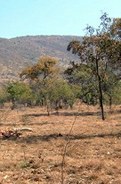
The low-lying coastal strip and mountains of the north give way to grasslands and the desert regions of southern Algeria.
-
Hydrocarbons rule
Algeria’s economy depends on its large reserves of oil and natural gas, which bring in the vast majority of the country’s export revenues.
-
Looking for opportunities
As in other north African countries, it can be hard for young people to find employment and some choose to leave Algeria without visas to search for work.
-
Invaders
After centuries of being dominated by invading peoples – Phoenicians, Romans, Byzantines, Arabs, Ottoman Turks and the French – Algerians are now making their own history.
-
A symbol of Algeria
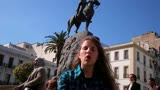
In central Algiers, Nardjes finds the statue of a national hero before visiting a monument which has come to symbolise the city and the Algerian nation as a whole.
-
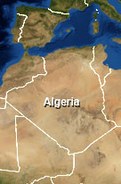
Explore Algeria
Find out more about some of the key towns and cities of Algeria, as well as areas of natural and geographic interest to the south.
-
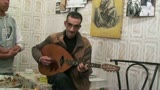
Folk music
As in many African countries, traditional music is still popular and chaabi or folk music players are often invited to play at special occasions.
-
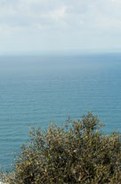
Plentiful rain
Though Algeria is famous for its dry Sahara desert, which takes up most of the country, the northern coastal regions have abundant rain and flash floods are not uncommon.
-
A good health basis
Algeria built up one of the best healthcare systems in Africa, though services are now in need of modernisation and improvement.
-
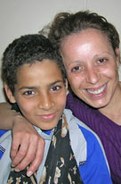
A mix of peoples
Algerians are mainly of Berber or Arab origins, but with recent European colonisations (the French and Spanish) and communities of Saharan-Africans, people are of mixed heritage and appearance.
-
A Roman town
There are a number of places along the coast of Algeria where impressive Roman remains can be found and Tipaza is one of three ancient Roman sites on UNESCO’s World Heritage List.
-
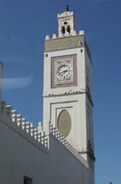
Discovering Algeria
With its rich history, Algeria has many historic sites of interest and the country’s stunning mountain scenery and desert landscapes await the adventurous tourist.
-
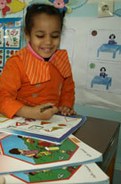
Skilled, but jobless
Algeria’s population is generally well-educated, with over 90% of young people able to read and write. However, jobs are scarce and young people can feel frustrated by the lack of opportunities.
-
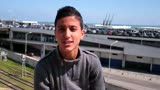
City with history
The buildings of Algiers are influenced by the country’s history of colonisation, from the Ottoman Turks who made the city their capital in the 16th century to the French who took control in the 19th century.
-
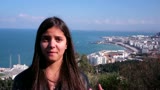
A coastal capital
Most of Algeria's population live along the beautiful Mediterranean coastal region, where the country's capital of Algiers is located. As well as being a busy port, Algiers is a historic city and the SOS chief reporters have much to show.
-
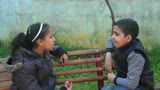
Finding work in Algeria
It’s natural for children to have ambitions for their future, but once young people are ready for work, the reality of finding a good job can be a little different to their dreams.
-
Largest African country
At 2.38 million square kilometres, Algeria is now the largest country in Africa (since Sudan split into two) and the 10th largest in the world. To have an idea of its size, it is nearly ten times larger than the UK and would be able to fit much of Western Europe into its land area.
-
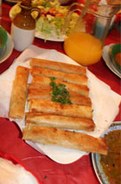
Mediterranean melting pot
Algerian cuisine is a mixture of Berber/African, Arab, Turkish, French and Spanish influences, resulting in a flavoursome, often spicy mix.